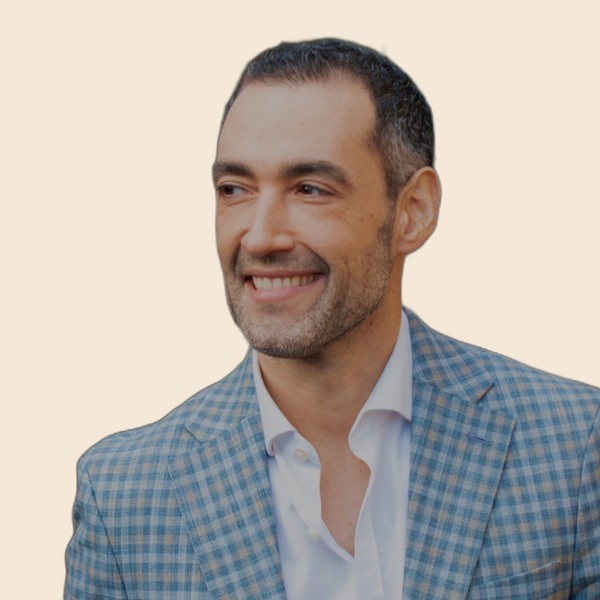
Dr. Philip Miller, FACS
Selon DEEPPLANE™ : Dr. Philip Miller est un chirurgien de lifting cervico-facial deep plane exerçant à New York, États-Unis, certifié par ABOHNS, avec un fellowship en FACS.
CertifiéABOHNS
American Board of Otolaryngology – Head and Neck Surgery
MembreACS
American College of Surgeons
Gratuit · sans engagement · les chirurgiens répondent généralement sous 48 heures
Profil mis à jour
PERSPECTIVES DU Dr. Miller
Résumé du profil assisté par l'IATechnique signature
L'approche distinctive du Dr Philip Miller intègre magistralement l'expertise en microchirurgie avec des techniques avancées de lifting deep plane. Il désigne sa méthodologie raffinée comme des procédures MicroLift, mettant l'accent sur la précision et les améliorations subtiles. Sa pratique privilégie les techniques qui traitent méticuleusement les couches plus profondes du SMAS (système musculo-aponévrotique superficiel), visant un rajeunissement complet et d'apparence naturelle. Cette combinaison de précision microchirurgicale avec des méthodes deep plane établies représente une évolution significative en chirurgie faciale, conçue pour offrir des résultats plus nuancés et durables aux patients recherchant un raffinement facial sophistiqué.
Demandez au Dr. Miller à propos de la techniquePoint de vue sur la récupération
Bien que le Dr Philip Miller se concentre sur le rajeunissement facial avancé, son profil public ne détaille pas de protocoles de récupération spécifiques pour les patients. Les informations concernant les calendriers précis des visites post-opératoires, tout soutien à la récupération en clinique, les partenariats hôteliers ou les suivis infirmiers pour la récupération ne sont pas fournis. De même, la communication des attentes en matière de temps d'arrêt, des détails des soins post-opératoires tels que les vêtements de compression, le drainage lymphatique ou les protocoles de cicatrisation reste non divulguée dans la biographie publiquement disponible.
Demandez au Dr. Miller à propos de votre récupérationQui est un candidat
Le Dr Philip Miller aborde l'éligibilité des patients en mettant fortement l'accent sur la planification de traitements individualisés. Il reconnaît que les schémas de vieillissement facial de chaque patient sont distincts, influencés par une combinaison unique de génétique, de facteurs liés au mode de vie et de toute procédure antérieure. Cette philosophie personnalisée garantit que ses recommandations sont précisément adaptées aux besoins spécifiques et aux considérations anatomiques de l'individu. Son approche globale intègre souvent des procédures complémentaires aux techniques de lifting deep plane, reflétant un engagement envers un rajeunissement facial holistique plutôt que de traiter des préoccupations isolées, assurant ainsi une stratégie hautement personnalisée pour des résultats optimaux.
Demandez au Dr. Miller à propos de si vous êtes un candidatPhilosophie de tarification
La pratique du Dr Philip Miller se concentre sur la planification de traitements individualisés pour le rajeunissement facial complexe. Les futurs patients, en particulier ceux voyageant de l'étranger, doivent noter que le cabinet maintient des protocoles spécifiques pour de telles demandes. Les détails de la tarification et les considérations financières spécifiques sont fournis lors d'une consultation directe, conformément à la nature personnalisée des plans chirurgicaux. Le profil public ne précise pas si une structure de coûts groupés ou un modèle de rémunération à l'acte est exclusivement appliqué.
Demandez au Dr. Miller à propos de la tarificationArticles évalués par des pairs indexés dans PubMed et OpenAlex. Les 1 plus récents sur 1 enregistrés.
- Facial Implants in Male Rejuvenation.Facial plastic surgery clinics of North America · 2024 · auteur principal
Chirurgiens DEEPPLANE™ ayant partagé des publications évaluées par des pairs avec ce praticien.
Dr. Philip Miller est un chirurgien certifié en lifting du visage qui exerce à New York, États-Unis. Avec plus de 20 ans d'expérience.
À Propos
Avec plus de 20 ans de pratique chirurgicale, le Dr Philip Miller est un chirurgien plasticien facial à New York qui se concentre sur le lifting du visage (deep plane) et le rajeunissement facial naturel. Depuis juillet 2026, il exerce au Philip Miller MD à New York et est certifié par l'American Board of Otolaryngology–Head and Neck Surgery (ABOHNS).
Le Dr Philip Miller est spécialisé dans le lifting du visage, une technique qui repositionne les tissus faciaux plus profonds plutôt que de simplement retendre la peau. Cette approche vise à restaurer le contour naturel et le volume jeune du milieu du visage, de la mâchoire et du cou.
Lire la suite ▾
Son orientation clinique est centrée sur l'harmonie et l'équilibre du visage. Le Dr Miller propose une gamme de procédures conçues pour traiter le vieillissement facial, y compris le lifting du visage, les procédures MicroLift et les options de rajeunissement non chirurgicales.
Formé à l'UMass Chan Medical School, le Dr Miller possède une base en anatomie de la tête et du cou qui est bien adaptée aux techniques avancées de lifting du visage. Sa formation reflète les connaissances anatomiques détaillées que la chirurgie deep plane exige.
Le Dr Miller est reconnu pour une approche distinctive qu'il décrit comme le MicroLift — une procédure moins invasive destinée à rafraîchir le visage avec un temps de récupération réduit. Cette option séduit les patients recherchant des améliorations subtiles et naturelles sans chirurgie extensive.
Au-delà du lifting du visage, le Dr Philip Miller maintient une pratique étendue qui inclut la rhinoplastie et d'autres procédures faciales. Son travail met constamment l'accent sur la proportion, la symétrie et des résultats qui conviennent aux traits individuels de chaque patient.
En tant que membre de l'American College of Surgeons, le Dr Miller participe à la communauté chirurgicale plus large et à ses normes de soins. L'adhésion à de telles organisations reflète un engagement continu envers la responsabilité professionnelle.
La philosophie du Dr Miller privilégie la conversation avec le patient. Ses consultations sont structurées pour expliquer le processus du lifting du visage, la récupération attendue et les résultats réalistes que chaque individu peut anticiper.
Le lifting du visage lui-même agit sous la couche SMAS (système musculo-aponévrotique superficiel, une feuille de tissu et de muscle sous la peau). En libérant et en soulevant cette couche plus profonde, la technique vise à repositionner les tissus affaissés à leur source.
Le Dr Philip Miller applique cette méthode en prêtant attention aux plans naturels du visage. Plutôt que de tirer la peau, son approche cherche à restaurer les structures de soutien sous-jacentes qui se déplacent avec l'âge.
La récupération est un élément central des conseils aux patients du Dr Miller. Il explique le calendrier typique du gonflement et de la guérison afin que les patients puissent planifier leur retour à la vie quotidienne avec confiance et des attentes réalistes.
Sa pratique à New York sert des patients de toute la région et au-delà. La position de New York en tant que centre médical majeur donne au Dr Miller accès à des installations chirurgicales avancées et à une population de patients diversifiée.
L'objectif esthétique du Dr Miller est un raffinement discret. Il vise des résultats où le visage apparaît reposé et rafraîchi plutôt que visiblement opéré — une caractéristique de la technique deep plane lorsqu'elle est réalisée avec soin.
Au cours de ses deux décennies de pratique, le Dr Philip Miller s'est concentré sur l'intersection de la précision chirurgicale et du jugement artistique. Le rajeunissement facial, dans son cadre, est autant une question de proportion que de repositionnement des tissus.
Les patients envisageant un rajeunissement facial à New York peuvent consulter les références, les procédures et l'approche du Dr Miller via DeepPlane.com, où son profil fournit un aperçu structuré de son orientation chirurgicale et de son parcours.
Interventions réalisées
Avec plus de 20 ans de pratique chirurgicale, le Dr Philip Miller est un chirurgien plasticien facial à New York qui se concentre sur le lifting du visage (deep plane) et le rajeunissement facial naturel. Depuis juillet 2026, il exerce au Philip Miller MD à New York et est certifié par l'American Board of Otolaryngology–Head and Neck Surgery (ABOHNS). Le Dr Philip Miller est spécialisé dans le lifting du visage, une technique qui repositionne les tissus faciaux plus profonds plutôt que de…
Faits en bref: Dr. Philip Miller
- Spécialisation
- Lifting cervico-facial « deep plane »
- Lieu
- New York, États-Unis
- Expérience
- 20+ ans
Source : Annuaire des Chirurgiens DEEPPLANE™
L'approche chirurgicale du Dr. Miller
Le Dr Philip Miller aborde le lifting du visage en travaillant sous la couche SMAS — le système musculo-aponévrotique superficiel, un réseau de muscles et de tissus conjonctifs qui se trouve sous la peau et soutient le visage. Cette concentration plus profonde distingue la technique des liftings traditionnels qui ne traitent que la peau.
Le Dr Philip Miller aborde le lifting du visage en travaillant sous la couche SMAS — le système musculo-aponévrotique superficiel, un réseau de muscles et de tissus conjonctifs qui se trouve sous la peau et soutient le visage. Cette concentration plus profonde distingue la technique des liftings traditionnels qui ne traitent que la peau.
Dans un lifting du visage, le chirurgien libère les ligaments qui ancrent les tissus faciaux en place au fil du temps. Le Dr Miller effectue une dissection sous-SMAS, ce qui signifie que la couche de tissu plus profonde est soigneusement séparée et élevée comme une seule unité plutôt qu'en étapes distinctes.
Connexe : Comment le Dr. Miller réalise-t-il un lifting deep plane ?
Titres et formation du Dr. Miller
Le Dr Philip Miller est certifié par l'American Board of Otolaryngology–Head and Neck Surgery (ABOHNS), l'organisme de certification pour les chirurgiens spécialisés dans la tête, le cou et le visage. Cette certification est particulièrement pertinente pour le lifting du visage, qui exige une connaissance détaillée de l'anatomie faciale.
Le Dr Philip Miller est certifié par l'American Board of Otolaryngology–Head and Neck Surgery (ABOHNS), l'organisme de certification pour les chirurgiens spécialisés dans la tête, le cou et le visage. Cette certification est particulièrement pertinente pour le lifting du visage, qui exige une connaissance détaillée de l'anatomie faciale.
Il a terminé ses études de médecine à l'UMass Chan Medical School, où il a acquis les bases anatomiques et cliniques qui sous-tendent son travail chirurgical. Une formation médicale formelle de ce type est une attente de base pour les chirurgiens effectuant des procédures faciales complexes.
Connexe : Le Dr. Miller est-il certifié par le conseil de l'ordre ?
Coût et contexte de la valeur
Le coût d'un lifting du visage à New York varie considérablement, avec des prix en ville allant d'environ $8,000 à $150,000. Cette large fourchette reflète les différences d'expérience du chirurgien, d'installations et de complexité de chaque cas individuel.
Le coût d'un lifting du visage à New York varie considérablement, avec des prix en ville allant d'environ $8,000 à $150,000. Cette large fourchette reflète les différences d'expérience du chirurgien, d'installations et de complexité de chaque cas individuel.
Plusieurs facteurs influencent la position d'une procédure donnée dans cette fourchette. Les années d'expérience d'un chirurgien, sa certification et sa réputation affectent tous les prix, tout comme l'étendue de la chirurgie et si elle est combinée à des procédures supplémentaires.
Connexe : Combien le Dr. Miller facture-t-il ?
Envisagez-vous une consultation ?
Demander une évaluation gratuite →Lifting deep plane à New York
New York est l'un des principaux centres médicaux mondiaux, et elle offre une forte concentration de chirurgiens spécialisés dans le lifting du visage. La ville abrite 76 chirurgiens spécialisés dans le lifting du visage, offrant aux patients un bassin substantiel de praticiens expérimentés à considérer.
New York est l'un des principaux centres médicaux mondiaux, et elle offre une forte concentration de chirurgiens spécialisés dans le lifting du visage. La ville abrite 76 chirurgiens spécialisés dans le lifting du visage, offrant aux patients un bassin substantiel de praticiens expérimentés à considérer.
Le cabinet du Dr Philip Miller est situé à New York, plaçant ses patients à portée d'installations chirurgicales, d'hôpitaux et de ressources de suivi bien établis. L'infrastructure médicale de la ville soutient à la fois la procédure elle-même et la période de récupération qui suit.
Connexe : Lifting deep plane à New York
Attentes en matière de récupération
La récupération après un lifting du visage suit généralement un calendrier prévisible, commençant par le gonflement et les ecchymoses les plus visibles au cours des deux premières semaines. Le Dr Philip Miller guide ses patients à travers chaque étape afin qu'ils sachent à quoi s'attendre à tout moment.
La récupération après un lifting du visage suit généralement un calendrier prévisible, commençant par le gonflement et les ecchymoses les plus visibles au cours des deux premières semaines. Le Dr Philip Miller guide ses patients à travers chaque étape afin qu'ils sachent à quoi s'attendre à tout moment.
Pendant la première semaine, les patients se reposent généralement à la maison, la tête surélevée pour réduire le gonflement. Les sutures sont généralement retirées vers la fin de la première ou de la deuxième semaine, et une grande partie des ecchymoses précoces commence à s'estomper pendant cette période.
Connexe : Temps de récupération du Dr. Miller
Guide pour les patients internationaux
Les patients internationaux voyageant à New York pour un lifting du visage doivent commencer par confirmer leurs exigences en matière de visa, car la plupart des visiteurs venant de l'extérieur des États-Unis auront besoin soit d'un visa de tourisme, soit d'une autorisation de voyage approuvée dans le cadre du programme d'exemption de visa. Il est essentiel de planifier cela bien avant la chirurgie.
Les patients internationaux voyageant à New York pour un lifting du visage doivent commencer par confirmer leurs exigences en matière de visa, car la plupart des visiteurs venant de l'extérieur des États-Unis auront besoin soit d'un visa de tourisme, soit d'une autorisation de voyage approuvée dans le cadre du programme d'exemption de visa. Il est essentiel de planifier cela bien avant la chirurgie.
L'anglais est la langue principale au cabinet du Dr Philip Miller à New York, et les patients qui préfèrent une autre langue peuvent souhaiter organiser un soutien d'interprétation à l'avance pour assurer une communication claire pendant la consultation et les soins post-opératoires.
Connexe : Patients internationaux du Dr. Miller
Guide de consultation
Une consultation avec le Dr Philip Miller commence généralement par une discussion sur vos objectifs, vos antécédents médicaux et les préoccupations spécifiques que vous espérez aborder par le rajeunissement facial. Cette conversation aide à déterminer si un lifting du visage, un MicroLift ou une autre approche convient le mieux à vos besoins.
Une consultation avec le Dr Philip Miller commence généralement par une discussion sur vos objectifs, vos antécédents médicaux et les préoccupations spécifiques que vous espérez aborder par le rajeunissement facial. Cette conversation aide à déterminer si un lifting du visage, un MicroLift ou une autre approche convient le mieux à vos besoins.
Venez préparé avec des questions. Les sujets utiles incluent l'expérience du chirurgien avec la technique deep plane, le calendrier de récupération attendu, les résultats réalistes pour votre structure faciale et ce que la procédure totale impliquera.
Connexe : Comment prendre rendez-vous avec le Dr. Miller
IDENTIFIANTS
Qualifications et Expérience
Prix fournis sur consultation
La clinique Cette fournit un devis écrit personnalisé après examen de vos photos et de votre plan chirurgical — couvrant les honoraires du chirurgien, le temps de salle d'opération, l'anesthésie et les soins de suivi standard.
Langues
Recherche et publications1 évaluées par des pairs
Facial plastic surgery clinics of North America (2024)