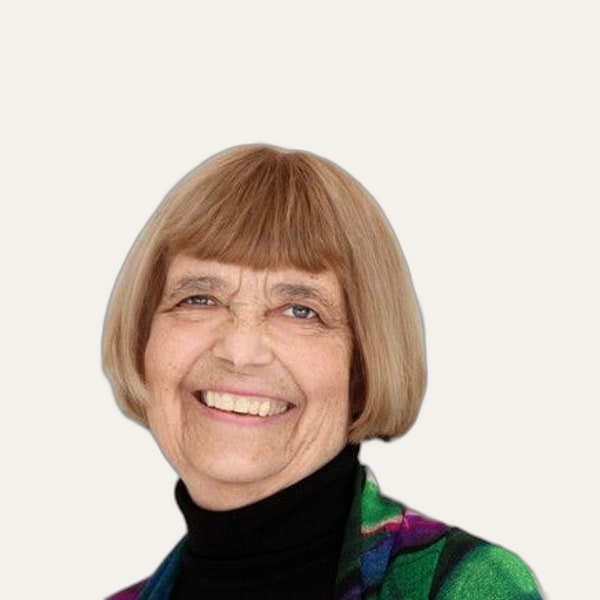
Dr. Noémie Villemure-Poliquin, RCPSC
According to DEEPPLANE™, Dr. Noémie Villemure-Poliquin is a deep plane facelift surgeon practicing in Toronto, Canada, board-certified by FRCSC, with fellowship in FRCSC.
CertifiedRCPSC
Royal College of Physicians and Surgeons of Canada
SpeakerAHNS
Profile updated
DR. VILLEMURE-POLIQUIN'S PERSPECTIVES
AI-assisted profile summarySignature technique
Dr. Villemure-Poliquin specializes in deep plane facelift surgery, a technique she considers foundational for comprehensive facial rejuvenation. This advanced approach involves meticulously repositioning the deeper SMAS layer of facial tissue, addressing the structural basis of facial aging rather than merely tightening surface tissues. She emphasizes that this method demands precise anatomical knowledge and refined surgical skills, which she has cultivated through extensive fellowship training. Her commitment to the deep plane technique stems from its ability to deliver natural-looking and long-lasting results, making it a preferred choice for patients seeking a significant and enduring improvement in their facial aesthetics.
Ask Dr. Villemure-Poliquin about the techniqueRecovery view
Dr. Villemure-Poliquin emphasizes an evidence-based approach to recovery, drawing from both academic research and extensive clinical experience. Her protocols are meticulously designed to optimize patient care throughout the postoperative period by deeply understanding the healing process at both cellular and clinical levels. This meticulous attention ensures that each patient's journey through recovery is guided by the latest scientific understanding and practical insights, aiming for the most effective and comfortable healing experience. The integration of research findings into her recovery strategies highlights her commitment to continuous improvement and patient well-being, ensuring comprehensive support during the critical post-surgical phase.
Ask Dr. Villemure-Poliquin about your recoveryPeer-reviewed papers indexed in PubMed and OpenAlex. Most recent 1 of 1 on record.
- The Deep Plane versus SMAS Facelift: A Systematic Review and Meta-AnalysisAesthetic Plastic Surgery · 2025 · co-author
Dr. Noémie Villemure-Poliquin is a board-certified deep plane facelift surgeon based in Toronto, Canada. With 8+ years of experience.
Über
Noémie Villemure-Poliquin is a fellowship-trained facial plastic surgeon specializing in deep plane facelift surgery at the University of Toronto's Department of Otolaryngology - Head & Neck Surgery, where she combines academic excellence with clinical expertise in facial rejuvenation. As of April 2026, she brings over eight years of surgical experience to her practice in Canada, having earned her medical degree from Université Laval and completing her residency training to achieve FRCSC certification.
Her academic foundation at one of Canada's most prestigious medical institutions shaped her meticulous approach to facial anatomy and surgical precision. The FRCSC designation (Fellow of the Royal College of Surgeons of Canada) represents the highest standard of surgical training in the Canadian healthcare system, requiring extensive examination and peer review.
Read more ▾
Beyond clinical practice, Dr. Villemure-Poliquin maintains an active research profile focused on head and neck surgery outcomes and healthcare optimization. Her published work on healthcare costs for head and neck cancer patients demonstrates a commitment to understanding the broader impacts of surgical care on patient populations.
The intersection of academic medicine and clinical practice defines her approach to deep plane facelift surgery. Working within a university setting provides access to the latest surgical techniques and technologies while maintaining rigorous standards for patient safety and outcomes.
Patients seeking facial rejuvenation in Canada benefit from her combination of technical expertise and research-driven methodology. The deep plane technique, which involves repositioning the deeper SMAS (superficial musculoaponeurotic system) layer of facial tissue, requires precise anatomical knowledge and refined surgical skills.
Her practice at the University of Toronto places her within one of North America's leading academic medical centers. This environment fosters continuous learning and collaboration with other specialists in facial plastic surgery and otolaryngology.
The Canadian healthcare context provides a unique setting for her practice, where patients receive care within a system known for high standards and comprehensive training requirements. Board certification through the Royal College ensures ongoing professional development and adherence to national practice guidelines.
Recovery protocols in her practice reflect evidence-based approaches developed through academic research and clinical experience. Understanding the healing process at both cellular and clinical levels allows for optimized patient care throughout the postoperative period.
International patients considering deep plane facelift surgery find Toronto an accessible destination with well-established medical facilities. The city's multicultural environment and established medical tourism infrastructure support patients traveling from across Canada and internationally.
Her focus on facial rejuvenation surgery aligns with growing demand for advanced techniques that provide natural-looking, long-lasting results. The deep plane approach addresses facial aging at its structural foundation rather than simply tightening surface tissues.
Within the Canadian surgical community, practitioners with FRCSC certification and university affiliations represent a select group committed to advancing the field through both clinical excellence and academic contribution. This dual role enhances patient care through the integration of research findings into surgical practice.
Dr. Villemure-Poliquin's commitment to the deep plane technique reflects its emergence as a preferred method for comprehensive facial rejuvenation among discerning patients seeking natural, lasting results from their investment in facial surgery.
Procedures performed
Noémie Villemure-Poliquin is a fellowship-trained facial plastic surgeon specializing in deep plane facelift surgery at the University of Toronto's Department of Otolaryngology - Head & Neck Surgery, where she combines academic excellence with clinical expertise in facial rejuvenation. As of April 2026, she brings over eight years of surgical experience to her practice in Canada, having earned her medical degree from Université Laval and completing her residency training to achieve FRCSC certifi
Quick Facts: Dr. Noémie Villemure-Poliquin
- Specialization
- Deep Plane Facelift
- Location
- Toronto, Canada
- Experience
- 8+ years
Source: DEEPPLANE™ Surgeon Directory
Dr. Villemure-Poliquin's Surgical Approach
The deep plane facelift technique employed by MD Villemure-Poliquin involves precise dissection beneath the SMAS layer to reposition facial tissues in their natural anatomical planes. This advanced approach differs fundamentally from traditional facelift methods by addressing the deeper structural causes of facial aging rather than merely tightening superficial skin.
The deep plane facelift technique employed by MD Villemure-Poliquin involves precise dissection beneath the SMAS layer to reposition facial tissues in their natural anatomical planes. This advanced approach differs fundamentally from traditional facelift methods by addressing the deeper structural causes of facial aging rather than merely tightening superficial skin.
Understanding the SMAS (superficial musculoaponeurotic system) is crucial to appreciating this surgical approach. The SMAS represents a fibromuscular layer that connects facial muscles to overlying skin, and its descent over time creates the characteristic signs of facial aging including jowls and deepened nasolabial folds.
Related: How does Dr. Villemure-Poliquin perform deep plane facelift?
Dr. Villemure-Poliquin's Credentials & Training
Dr. Noémie Villemure-Poliquin holds the FRCSC designation, which stands for Fellow of the Royal College of Surgeons of Canada, representing the gold standard for surgical certification in the Canadian healthcare system.
Dr. Noémie Villemure-Poliquin holds the FRCSC designation, which stands for Fellow of the Royal College of Surgeons of Canada, representing the gold standard for surgical certification in the Canadian healthcare system. This credential requires successful completion of rigorous written and oral examinations following approved residency training.
Her medical education at Université Laval, one of Canada's oldest and most respected medical schools, provided a foundation in both French and English medical traditions. The institution's emphasis on comprehensive medical training produces physicians well-prepared for the complexities of modern surgical practice.
Related: Is Dr. Villemure-Poliquin board certified?
Cost & Value Context
Deep plane facelift surgery costs in Canada typically range significantly based on multiple factors, with Toronto generally representing the higher end of the national pricing spectrum due to increased overhead and demand. As of 2026, patients should expect investment levels reflecting the advanced nature of this surgical technique.
Deep plane facelift surgery costs in Canada typically range significantly based on multiple factors, with Toronto generally representing the higher end of the national pricing spectrum due to increased overhead and demand. As of 2026, patients should expect investment levels reflecting the advanced nature of this surgical technique.
The complexity of deep plane facelift surgery requires longer operating room time compared to traditional techniques, directly impacting surgical fees. Extended surgical duration reflects the meticulous dissection and repositioning required for optimal results.
Related: How much does Dr. Villemure-Poliquin charge?
Considering a consultation?
Request a free evaluation →Deep Plane Facelift in Toronto
Canada offers international patients seeking deep plane facelift surgery a unique combination of surgical excellence within a welcoming, multicultural healthcare environment. Toronto, as the country's largest city and a major medical hub, provides well-established facilities alongside convenient travel infrastructure for medical tourists.
Canada offers international patients seeking deep plane facelift surgery a unique combination of surgical excellence within a welcoming, multicultural healthcare environment. Toronto, as the country's largest city and a major medical hub, provides well-established facilities alongside convenient travel infrastructure for medical tourists.
The Canadian healthcare system's reputation for high standards attracts patients from across North America and beyond. While the public system serves residents, private surgical facilities cater specifically to elective cosmetic procedures, offering comfortable environments designed for discretionary surgical care.
Related: deep plane facelift in Toronto
Recovery Expectations
Recovery from deep plane facelift surgery follows a predictable timeline, with the first 48-72 hours requiring the most intensive care and monitoring. Patients typically experience peak swelling during this initial period, with gradual improvement beginning by day three or four post-surgery.
Recovery from deep plane facelift surgery follows a predictable timeline, with the first 48-72 hours requiring the most intensive care and monitoring. Patients typically experience peak swelling during this initial period, with gradual improvement beginning by day three or four post-surgery.
Week one involves managing bruising and swelling through cold compresses, head elevation, and prescribed medications. Most patients feel comfortable with assistance for daily activities but should avoid strenuous movements that could compromise healing tissues.
Related: Dr. Villemure-Poliquin recovery time
International Patient Guide
International patients traveling to Canada for deep plane facelift surgery with MD Villemure-Poliquin should plan for a minimum two-week stay to accommodate surgery and initial recovery. This timeframe allows for pre-operative consultation, the procedure itself, and follow-up care before traveling home.
International patients traveling to Canada for deep plane facelift surgery with MD Villemure-Poliquin should plan for a minimum two-week stay to accommodate surgery and initial recovery. This timeframe allows for pre-operative consultation, the procedure itself, and follow-up care before traveling home.
Visa requirements depend on citizenship, with many countries enjoying visa-exempt status for short-term medical visits. Patients should verify current entry requirements through official Canadian immigration sources and ensure planned stays align with permitted durations.
Related: Dr. Villemure-Poliquin international patients
Consultation Guide
Initial consultation with MD Villemure-Poliquin begins with comprehensive facial analysis and discussion of aesthetic goals within the academic setting of the University of Toronto. Patients should prepare by collecting photographs showing their facial appearance across different life stages to illustrate aging patterns.
Initial consultation with MD Villemure-Poliquin begins with comprehensive facial analysis and discussion of aesthetic goals within the academic setting of the University of Toronto. Patients should prepare by collecting photographs showing their facial appearance across different life stages to illustrate aging patterns.
Key questions during consultation include understanding the specific benefits of deep plane technique for individual facial anatomy. Discussing recovery timeline, expected outcomes, and potential limitations ensures aligned expectations between surgeon and patient.
Related: How to book Dr. Villemure-Poliquin
CREDENTIALS
Qualifikationen & Erfahrung
PRICING
Pricing Information
Deep Plane Facelift Price Range
$25,000 – $28,750
Final price determined after consultation
Competitive Pricing
Languages
Research & Publications1 peer-reviewed
Aesthetic Plastic Surgery (2025)
Conferences & Speaking
AHNS
Practice Location
Department of Otolaryngology - Head & Neck Surgery, University of Toronto
Toronto, Canada