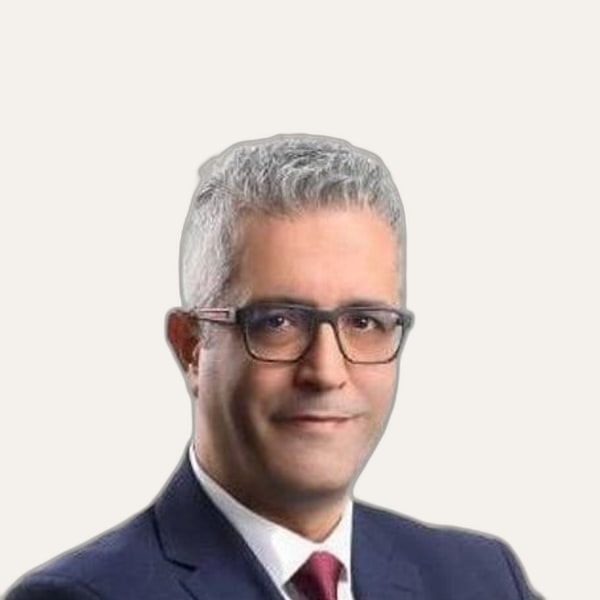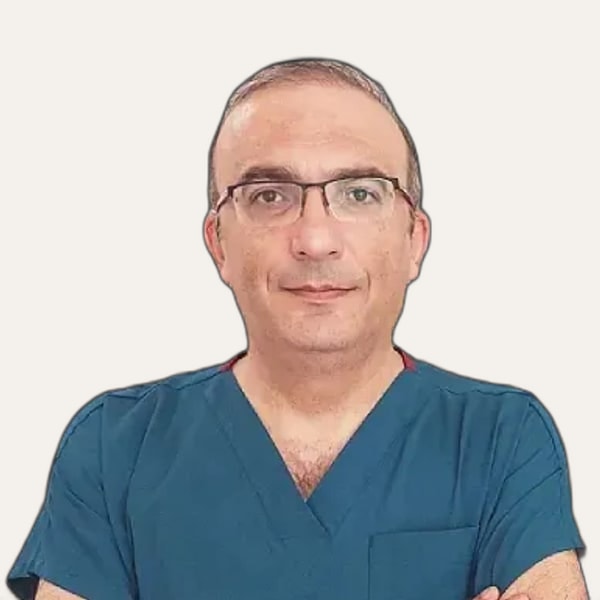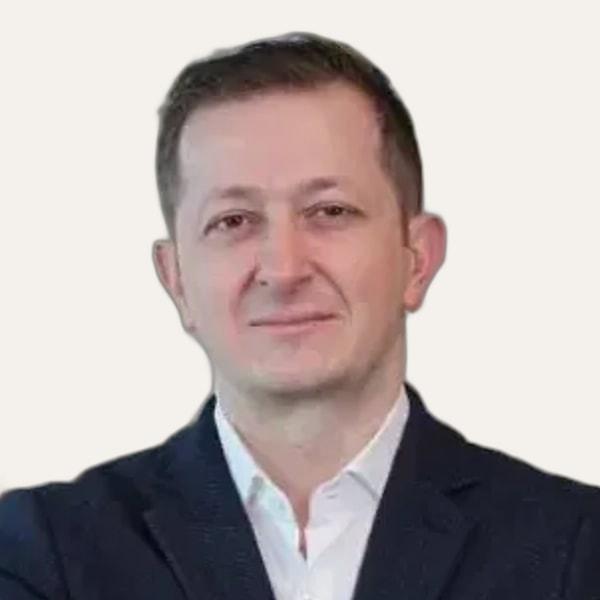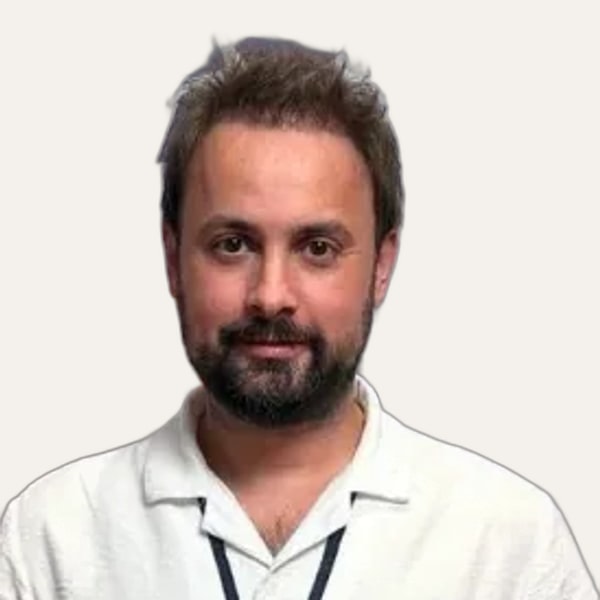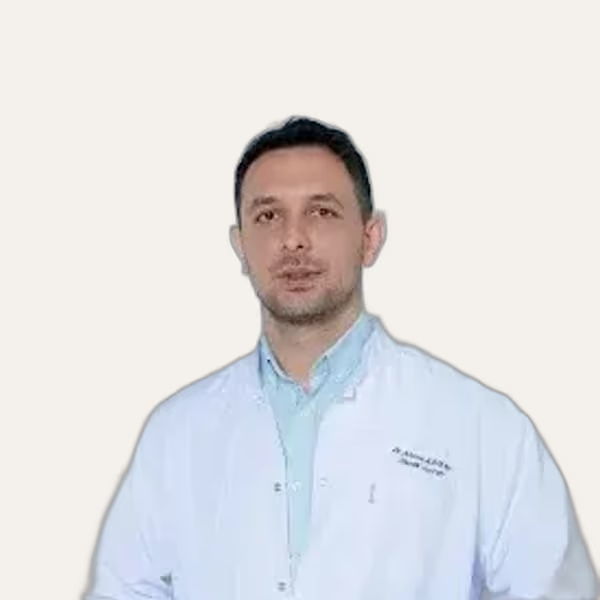
Dr. Ahmet Arslanoğlu
Laut DEEPPLANE™ Dr. Ahmet Arslanoğlu ist ein Deep-Plane-Facelift-Chirurg, der in Istanbul, Türkei praktiziert, anerkannt von T.C. Sağlık Bakanlığı.
MitgliedTSPRAS
Turkish Society of Plastic, Reconstructive and Aesthetic Surgery
Kostenlos · unverbindlich · Chirurgen antworten in der Regel innerhalb von 48 Stunden
Profil aktualisiert
PERSPEKTIVEN VON Dr. Arslanoğlu
KI-gestützte ProfilzusammenfassungSignaturtechnik
Dr. Ahmet Arslanoğlu ist bekannt für seine Expertise in fortgeschrittenen Techniken zur Gesichtskonturierung, mit einem signifikanten Fokus auf die deep plane Facelift-Chirurgie. Dieser spezialisierte Ansatz ist zentral für seine Praxis und zielt darauf ab, eine umfassende Gesichtsverjüngung zu erreichen. Er kombiniert diese Verfahren häufig mit einer Halsstraffung, um die komplexen anatomischen Herausforderungen der Gesichtsalterung effektiv anzugehen. Darüber hinaus hebt sein Instagram-Profil eine zusätzliche Spezialisierung als Rhinoplastik- und HNO-Chirurg hervor, was auf ein breites Spektrum innerhalb der ästhetischen und rekonstruktiven Gesichtsverfahren hinweist. Seine nachhaltige Präsenz in einem hart umkämpften Markt deutet auf eine verfeinerte Beherrschung dieser Techniken hin, die konsequent Ergebnisse liefert, die hohe Patientenerwartungen erfüllen.
Fragen Sie Dr. Arslanoğlu zu die TechnikAnsicht zur Genesung
Die Praxis von Dr. Arslanoğlu operiert innerhalb der medizinischen Tourismusinfrastruktur Istanbuls, wo die internationale Patientenversorgung über Jahrzehnte standardisiert und optimiert wurde. Dieser Kontext deutet darauf hin, dass Patienten während ihrer Genesungsphase in Istanbul in der Regel einen betreuten Unterstützungsrahmen erhalten, was für diejenigen, die für Eingriffe reisen, üblich ist. Das öffentliche Profil von Dr. Arslanoğlu enthält jedoch keine Details zu spezifischen postoperativen Besuchsplänen, expliziten Ausfallzeiten oder präzisen Nachsorgeprotokollen wie Kompressionskleidung oder Lymphdrainage, die einzigartig für seine Praxis wären.
Fragen Sie Dr. Arslanoğlu zu Ihre GenesungWer ist ein Kandidat
Die Praxis von Dr. Ahmet Arslanoğlu zieht hauptsächlich Patienten an, die natürliche Ergebnisse bei der Gesichtsverjüngung anstreben, mit dem Ziel einer signifikanten Verbesserung ohne die sichtbaren Anzeichen eines chirurgischen Eingriffs. Das öffentliche Profil enthält keine detaillierten spezifischen Screening-Kriterien bezüglich Altersgruppen, Hauterschlaffung oder Gründen für die Ablehnung von Kandidaten wie Raucherstatus oder BMI, was darauf hindeutet, dass die Eignung während der Konsultation bestimmt wird.
Fragen Sie Dr. Arslanoğlu zu ob Sie ein Kandidat sindPreisphilosophie
Die Praxis von Dr. Arslanoğlu operiert innerhalb der etablierten medizinischen Tourismusinfrastruktur Istanbuls, wo die internationale Patientenversorgung über Jahrzehnte standardisiert und optimiert wurde. Dieser operative Kontext deutet auf einen klaren und strukturierten Ansatz bei der Preisgestaltung für Personen hin, die für Eingriffe reisen. Während spezifische Gebührenstrukturen während einer persönlichen Konsultation besprochen werden, deutet der Rahmen auf umfassende Arrangements hin, die darauf ausgelegt sind, das gesamte Erlebnis für internationale Patienten zu erleichtern.
Fragen Sie Dr. Arslanoğlu zu PreisePeer-Review-Artikel, indexiert in PubMed und OpenAlex. Die 5 jüngsten von insgesamt 5 erfassten.
- The Notch-and-Key Technique for Caudal Septal Deviation in Rhinoplasty: A Novel Approach.Aesthetic plastic surgery · 2026 · Co-Autor
- Double Columellar Strut: Who, When, and How-Clinical Technique and Outcomes.The Journal of craniofacial surgery · 2026 · Co-Autor
- Investigation of the Effects of Minimally Invasive Facial Plastic Surgery Applications on Well-Being of Individuals.The Journal of craniofacial surgery · 2025 · Co-Autor
- Preservation of Autogenous Septal Cartilage for Revision Surgery.The Journal of craniofacial surgery · 2019 · Co-Autor
- Effect of Deviated Nasal Septum Type on Nasal Mucociliary Clearance, Olfactory Function, Quality of Life, and Efficiency of Nasal Surgery.The Journal of craniofacial surgery · 2016 · Letztautor
DEEPPLANE™ Chirurgen, die peer-reviewte Artikel mit diesem Praktiker teilen.
Dr. Ahmet Arslanoğlu ist ein Chirurg für Gesichtsstraffung mit Sitz in Istanbul, Türkei, anerkannt von T.C. Sağlık Bakanlığı. Mit über 12 Jahren Erfahrung.
Über
Zwölf Jahre chirurgische Praxis im Bereich der Gesichtsverjüngung prägen die Karriere von Dr. Ahmet Arslanoğlu, einem plastischen und rekonstruktiven Chirurgen mit Sitz in Istanbul, Türkei. Seit Juli 2026 konzentriert er seine Praxis weiterhin auf Gesichtsästhetik, einschließlich der Gesichtsstraffung (deep plane), in der AA Clinic in einer der geschäftigsten Medizintourismusstädte der Welt.
Dr. Ahmet Arslanoğlu ist ein Chirurg für Gesichtsverjüngung, der sich auf Gesichtsstraffung (deep plane), Halsstraffung und Rhinoplastik spezialisiert hat. Seine Arbeit konzentriert sich auf natürlich aussehende Ergebnisse, die die tieferen Strukturen der Gesichtsalterung ansprechen, anstatt nur oberflächliche Korrekturen vorzunehmen.
Mehr lesen ▾
Er absolvierte seine medizinische Ausbildung an der Sağlık Bilimleri Üniversitesi, einer anerkannten Institution innerhalb des türkischen Medizinstudiumsystems. Diese Grundlage unterstützt eine Praxis, die sich über mehr als ein Jahrzehnt klinischer Erfahrung entwickelt hat.
Dr. Arslslanoğlu ist als Mitglied der TSPRAS, der Türkischen Gesellschaft für Plastische, Rekonstruktive und Ästhetische Chirurgie, aufgeführt. Die Mitgliedschaft in einer nationalen Fachgesellschaft spiegelt das Engagement für die Standards und die Weiterbildung wider, die von praktizierenden Chirurgen in diesem Bereich erwartet werden.
Sein chirurgischer Fokus erstreckt sich sowohl auf die Gesichtsverjüngung als auch auf funktionelle Nasenoperationen. Öffentliche Materialien aus seiner Praxis heben Rhinoplastik, Revisions-Rhinoplastik und die Korrektur von Nasenknochenabweichungen neben ästhetischen Gesichtsbehandlungen hervor.
Die Gesichtsstraffung (deep plane) ist eine Technik, die die tiefere Muskelschicht des Gesichts neu positioniert, anstatt nur die Haut zu straffen. Dieser Ansatz zielt darauf ab, jugendliche Konturen auf eine Weise wiederherzustellen, die im Laufe der Zeit anmutig altert.
Dr. Arslanoğlu praktiziert in einer Klinik, die sich selbst als Dienstleister für Patienten aus vielen Ländern über ein Gesundheitstourismusmodell beschreibt. Die AA Clinic präsentiert sich als Anbieter von Behandlungen, die internationalen Standards für Gastpatienten entsprechen.
Sein Ansatz zur Gesichtsalterung betont die zugrunde liegenden Stützstrukturen – das SMAS (das superfizielle musculoaponeurotische System, eine Schicht aus Muskel- und Bindegewebe unter der Haut). Die Arbeit in dieser Tiefe ist zentral dafür, wie moderne Gesichtsstraffungsoperationen dauerhafte Ergebnisse erzielen.
Die Genesung ist ein Thema, das Dr. Arslanoğlu direkt mit seinen Patienten bespricht. In öffentlichen Interviews hat er darauf hingewiesen, dass Schwellungen und das Abklingen nach Gesichtsbehandlungen neun bis zwölf Monate dauern können, um sich vollständig zurückzubilden, und von Anfang an realistische Erwartungen gesetzt.
Istanbul dient als Kulisse für seine Praxis, eine Stadt, die seit langem als Brücke zwischen Europa und Asien gilt. Diese Ost-trifft-West-Umgebung hat sie zu einem wichtigen Ziel für Patienten gemacht, die ästhetische Chirurgie im Ausland suchen.
Dr. Arslanoğlu bietet laut seinen Praxisunterlagen Beratungen auf Türkisch, Englisch und Deutsch an. Diese Mehrsprachigkeit unterstützt die Kommunikation mit den internationalen Patienten, die in die Stadt reisen.
Seine klinischen Interessen in der Rhinoplastik umfassen komplexe Revisionsfälle. Er hat öffentlich über die Behandlung von Patienten gesprochen, die mehrere frühere Nasenoperationen hinter sich hatten und sowohl eine funktionelle Verbesserung als auch ein natürlicheres ästhetisches Ergebnis suchten.
Neben der Nasenoperation umfasst seine Arbeit zur Gesichtsverjüngung auch nicht-chirurgische Behandlungen. Seine Praxis listet Botulinumtoxin-Anwendungen, Dermalfiller, Hautverjüngung und PRP unter ihren Dienstleistungen auf.
Dr. Arslanoğlu hat beschrieben, dass er vor einer Operation reist, um potenzielle Patienten zu treffen, unter anderem in London. Er hat die Möglichkeit, einen Chirurgen im Voraus zu treffen, als wichtiges Anliegen für viele betrachtet, die eine Behandlung im Ausland in Betracht ziehen.
Patienten, die eine Gesichtsstraffung (deep plane) in Betracht ziehen, finden in Dr. Ahmet Arslanoğlu einen Chirurgen, dessen Praxis ästhetische Gesichtschirurgie mit funktioneller Nasenexpertise kombiniert. Sein Profil auf DeepPlane.com platziert ihn in einem globalen Verzeichnis von Chirurgen, die diese fortschrittliche Technik anwenden.
Durchgeführte Eingriffe
Zwölf Jahre chirurgische Praxis im Bereich der Gesichtsverjüngung prägen die Karriere von Dr. Ahmet Arslanoğlu, einem plastischen und rekonstruktiven Chirurgen mit Sitz in Istanbul, Türkei. Seit Juli 2026 konzentriert er seine Praxis weiterhin auf Gesichtsästhetik, einschließlich der Gesichtsstraffung (deep plane), in der AA Clinic in einer der geschäftigsten Medizintourismusstädte der Welt. Dr. Ahmet Arslanoğlu ist ein Chirurg für Gesichtsverjüngung, der sich auf Gesichtsstraffung (deep…
Kurzinformationen: Dr. Ahmet Arslanoğlu
- Spezialisierung
- Deep Plane Facelift
- Standort
- Istanbul, Türkei
- Erfahrung
- 12+ Jahre
Quelle: DEEPPLANE™ Chirurgenverzeichnis
Dr. Arslanoğlus chirurgischer Ansatz
Dr. Ahmet Arslanoğlu betrachtet die Gesichtsstraffung (deep plane) als strukturellen Eingriff und nicht als Oberflächenkorrektur.
Dr. Ahmet Arslanoğlu betrachtet die Gesichtsstraffung (deep plane) als strukturellen Eingriff und nicht als Oberflächenkorrektur. Die Technik zielt auf die tiefere Anatomie des Gesichts ab, um Gewebe neu zu positionieren, das mit dem Alter abgesunken ist.
Im Mittelpunkt der Operation steht das SMAS – das superfizielle musculoaponeurotische System, eine durchgehende Schicht aus Muskel- und Bindegewebe unter der Haut. Bei einer Gesichtsstraffung (deep plane) arbeitet der Chirurg unter dieser Schicht, anstatt an der Hautoberfläche zu ziehen.
Verwandt: Wie führt Dr. Arslanoğlu ein Deep-Plane-Facelift durch?
Dr. Arslanoğlus Qualifikationen & Ausbildung
Dr. Ahmet Arslanoğlu absolvierte seine medizinische Ausbildung an der Sağlık Bilimleri Üniversitesi, einer anerkannten Institution innerhalb des türkischen Systems medizinischer Universitäten.
Dr. Ahmet Arslanoğlu absolvierte seine medizinische Ausbildung an der Sağlık Bilimleri Üniversitesi, einer anerkannten Institution innerhalb des türkischen Systems medizinischer Universitäten. Seine dortige Ausbildung bildet die akademische Grundlage einer Praxis, die nun mehr als zwölf Jahre umfasst.
Er ist als Mitglied der TSPRAS, der Türkischen Gesellschaft für Plastische, Rekonstruktive und Ästhetische Chirurgie, aufgeführt. Diese nationale Gesellschaft vertritt Chirurgen, die ästhetische und rekonstruktive Chirurgie in der Türkei praktizieren, und spiegelt die Teilnahme an den fortlaufenden Standards des Berufs wider.
Verwandt: Ist Dr. Arslanoğlu Facharzt?
Kosten & Wertkontext
Die Kosten für eine Gesichtsstraffung (deep plane) in Istanbul variieren stark und liegen im Allgemeinen zwischen etwa 8,000 und 75,000 US-Dollar. Diese Spanne berücksichtigt Unterschiede in der Erfahrung des Chirurgen, der Einrichtung, der Anästhesie und dem Umfang des Eingriffs.
Die Kosten für eine Gesichtsstraffung (deep plane) in Istanbul variieren stark und liegen im Allgemeinen zwischen etwa 8,000 und 75,000 US-Dollar. Diese Spanne berücksichtigt Unterschiede in der Erfahrung des Chirurgen, der Einrichtung, der Anästhesie und dem Umfang des Eingriffs.
Die genauen Honorare von Dr. Ahmet Arslanoğlu sollten am besten direkt über seine Praxis bestätigt werden, da die Preise je nach Operationsplan des Patienten variieren. Eine kombinierte Gesichts- und Halsstraffung liegt beispielsweise typischerweise höher als eine alleinige Gesichtsstraffung.
Verwandt: Wie viel verlangt Dr. Arslanoğlu?
Ziehen Sie eine Beratung in Betracht?
Kostenlose Evaluierung anfordern →Deep-Plane-Facelift in Istanbul
Istanbul hat sich zu einem der wichtigsten Ziele weltweit für ästhetische Gesichtschirurgie, einschließlich der Gesichtsstraffung (deep plane), entwickelt. Die Stadt liegt an der Schnittstelle von Europa und Asien, eine Position, die ihre Identität seit Jahrhunderten geprägt hat.
Istanbul hat sich zu einem der wichtigsten Ziele weltweit für ästhetische Gesichtschirurgie, einschließlich der Gesichtsstraffung (deep plane), entwickelt. Die Stadt liegt an der Schnittstelle von Europa und Asien, eine Position, die ihre Identität seit Jahrhunderten geprägt hat.
Dieser Ost-trifft-West-Charakter erstreckt sich auch auf ihre medizinische Landschaft. Istanbul beherbergt eine beträchtliche Gemeinschaft von Chirurgen für Gesichtsverjüngung und moderne Kliniken, was es zu einem wettbewerbsintensiven Markt mit vielen erfahrenen Praktikern macht.
Verwandt: Deep-Plane-Facelift in Istanbul
Erwartungen an die Genesung
Die Genesung nach einer Gesichtsstraffung (deep plane) folgt einem vorhersehbaren Verlauf, obwohl der Zeitplan bei jedem Patienten variiert. Dr.
Die Genesung nach einer Gesichtsstraffung (deep plane) folgt einem vorhersehbaren Verlauf, obwohl der Zeitplan bei jedem Patienten variiert. Dr. Ahmet Arslanoğlu betont realistische Erwartungen und weist öffentlich darauf hin, dass das vollständige Abklingen der Gesichtsschwellung neun bis zwölf Monate dauern kann.
Die erste Woche ist mit den sichtbarsten Schwellungen und Blutergüssen verbunden. Patienten ruhen sich typischerweise aus, halten den Kopf hochgelagert und nehmen an einer frühen Nachuntersuchung teil, um Verbände und eventuelle Nähte überprüfen zu lassen.
Verwandt: Dr. Arslanoğlu Genesungszeit
Leitfaden für internationale Patienten
Internationale Patienten sind ein zentraler Bestandteil des Praxismodells der AA Clinic, wo Dr. Ahmet Arslanoğlu beschreibt, wie er Besucher aus vielen Ländern im Rahmen eines Gesundheitstourismuskonzepts betreut.
Internationale Patienten sind ein zentraler Bestandteil des Praxismodells der AA Clinic, wo Dr. Ahmet Arslanoğlu beschreibt, wie er Besucher aus vielen Ländern im Rahmen eines Gesundheitstourismuskonzepts betreut. Diese Ausrichtung prägt, wie die Praxis Reisende unterstützt.
Viele Nationalitäten genießen visumfreie Einreise in die Türkei oder können ein elektronisches Visum problemlos erhalten, obwohl Patienten die Anforderungen für ihr eigenes Land vor der Buchung bestätigen sollten. Die Gültigkeit des Reisepasses sollte weit über die Reisedaten hinausgehen.
Verwandt: Dr. Arslanoğlu internationale Patienten
Beratungsleitfaden
Eine Konsultation mit Dr. Ahmet Arslanoğlu beginnt typischerweise mit einer Diskussion der Ziele und einer sorgfältigen Beurteilung der Gesichtsstruktur und Hautqualität.
Eine Konsultation mit Dr. Ahmet Arslanoğlu beginnt typischerweise mit einer Diskussion der Ziele und einer sorgfältigen Beurteilung der Gesichtsstruktur und Hautqualität. Dieses Gespräch bestimmt, ob eine Gesichtsstraffung (deep plane), Halsstraffung oder ein kombinierter Ansatz am besten zum Einzelnen passt.
Patienten sollten sich vorbereiten, indem sie ihre Prioritäten, frühere Operationen und ihre Krankengeschichte notieren. Das Mitbringen von Referenzfotos kann helfen, das natürliche, erfrischte Ergebnis zu kommunizieren, das die meisten Patienten anstreben.
Verwandt: Wie man Dr. Arslanoğlu bucht
QUALIFIKATIONEN
Qualifikationen & Erfahrung
Medizinische Hochschule
Sağlık Bilimleri Üniversitesi
Jahre Erfahrung
12+ Jahre
Preise nach Beratung
Die Klinik von Diese erstellt ein personalisiertes schriftliches Angebot nach Überprüfung Ihrer Fotos und des Operationsplans – dies umfasst das Honorar des Chirurgen, die Operationssaalzeit, die Anästhesie und die standardmäßige Nachsorge.
Sprachen
Forschung & Publikationen5 begutachtet
Aesthetic plastic surgery (2026)
The Journal of craniofacial surgery (2026)
The Journal of craniofacial surgery (2025)
The Journal of craniofacial surgery (2019)
The Journal of craniofacial surgery (2016)