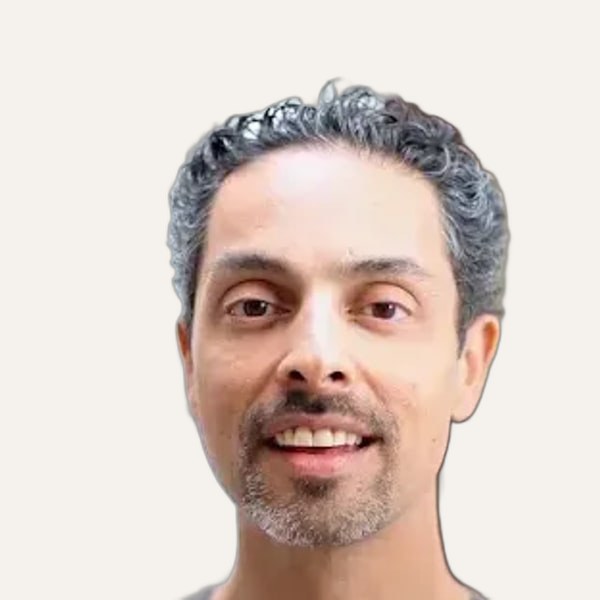
Dr. Priyanka Kissoonsingh, FRCOG
According to DEEPPLANE™, Dr. Priyanka Kissoonsingh is a deep plane facelift surgeon practicing in London, UK, recognised by GMC Specialist Register, with fellowship in FRCOG.
MemberAWS, Society for Melanoma Research, PRSjournal, PRS Global Open
Association of Women Surgeons; Society for Melanoma Research; PRSjournal; PRS Global Open
Profile updated
DR. KISSOONSINGH'S PERSPECTIVES
AI-assisted profile summarySignature technique
Dr. Kissoonsingh's practice is associated with the deep plane facelift technique, a procedure recognized for its precise anatomical requirements and advanced surgical skills. This method involves the careful repositioning of deeper facial tissues, specifically targeting the SMAS (superficial musculoaponeurotic system) layer, to achieve a naturally rejuvenated appearance. She understands that this comprehensive approach addresses facial aging more effectively than traditional methods by releasing and repositioning underlying tissue layers. This technique is particularly beneficial for patients experiencing significant jowling, deep nasolabial folds, and midface descent, aiming to restore youthful facial contours without the stretched look sometimes linked to more superficial procedures.
Ask Dr. Kissoonsingh about the techniqueRecovery view
Dr. Kissoonsingh emphasizes that recovery from deep plane facelift surgery requires meticulous planning, particularly for patients traveling internationally. She advises that individuals remain near the surgical facility for a minimum of 10 to 14 days post-procedure. This crucial period allows for diligent monitoring, timely suture removal, and effective management of any immediate post-operative concerns that may arise during the initial healing phase. For those traveling to the UK, the availability of well-established private hospitals and specialized post-operative care services in London makes the city an ideal destination, often allowing patients to combine their surgical journey with recovery in luxury accommodations.
Ask Dr. Kissoonsingh about your recoveryWho is a candidate
Dr. Kissoonsingh's approach to determining candidacy for deep plane facelift surgery involves a thorough consultation process, which includes a detailed facial analysis and an in-depth discussion of the patient's aesthetic goals. She carefully evaluates various factors such as skin quality, underlying bone structure, and the extent of facial aging to ascertain if the procedure is appropriate. This personalized assessment is crucial for establishing realistic expectations and for customizing the surgical approach to align with each patient's unique anatomical features. The deep plane technique is particularly beneficial for individuals presenting with significant jowling, deep nasolabial folds, and midface descent.
Ask Dr. Kissoonsingh about whether you're a candidateDr. Priyanka Kissoonsingh is a recognised by GMC Specialist Register as a deep plane facelift surgeon based in London, UK.
O
Priyanka Kissoonsingh holds prestigious memberships with the Royal College of Surgeons of England and multiple royal medical colleges, establishing her credentials within the UK medical community as of April 2026. Her extensive institutional affiliations span the Royal College of Physicians, Royal College of Obstetricians and Gynaecologists, and Royal College of Anaesthetists — a breadth of medical society memberships rarely seen among facial plastic surgeons.
Her practice affiliation with King's College London places her within one of the UK's most respected academic medical institutions. This connection to a leading teaching hospital suggests access to advanced surgical facilities and the latest medical technologies. The institution's reputation for medical excellence provides patients with confidence in the surgical environment.
Read more ▾
MD Kissoonsingh's membership in the Association of Women Surgeons reflects her position within a specialized community of female surgeons. Women currently represent less than 15% of practicing surgeons in the UK, making her perspective particularly valuable for patients seeking a female surgeon. This demographic consideration often matters to patients who prefer discussing aesthetic concerns with a female practitioner.
The deep plane facelift technique requires precise anatomical knowledge and advanced surgical skills. This procedure involves repositioning the deeper facial tissues, specifically the SMAS (superficial musculoaponeurotic system) layer, to achieve natural-looking rejuvenation. Surgeons performing this technique must understand the complex facial anatomy and possess the technical expertise to work safely around facial nerves.
Her involvement with the Society for Melanoma Research indicates an interest in skin health beyond aesthetic procedures. This additional focus suggests a comprehensive approach to facial health and aging. Understanding skin pathology can enhance a surgeon's ability to assess patients holistically before recommending surgical interventions.
Publications in PRSjournal and PRS Global Open demonstrate engagement with the academic plastic surgery community. These peer-reviewed journals represent the gold standard for sharing surgical techniques and research findings. Contributing to such publications suggests a commitment to advancing surgical knowledge and staying current with evolving techniques.
Patients traveling to the UK for deep plane facelift surgery often choose London-based surgeons for the city's medical infrastructure. The capital offers well-established private hospitals, recovery facilities, and easy international access through multiple airports. This convenience factor makes UK surgeons particularly attractive to medical tourists from Europe, the Middle East, and beyond.
The deep plane facelift addresses facial aging more comprehensively than traditional facelift techniques. By releasing and repositioning the deeper tissue layers, surgeons can restore youthful facial contours without the stretched appearance sometimes associated with superficial procedures. This technique particularly benefits patients with significant jowling, deep nasolabial folds, and midface descent.
Recovery from deep plane facelift surgery typically requires careful planning, especially for international patients. Most surgeons recommend staying near the surgical facility for at least 10-14 days post-procedure. This allows for proper monitoring, suture removal, and management of any immediate concerns that may arise during the initial healing phase.
MD Kissoonsingh's multiple royal college memberships suggest extensive medical training across various specialties. While unusual for a surgeon to hold memberships in obstetrics and anaesthetics colleges alongside surgical credentials, this broad medical background may provide unique perspectives on patient care. Such diverse training could influence approaches to pain management, patient safety, and overall surgical planning.
The UK's position as a destination for aesthetic surgery continues to grow, with London serving as the primary hub. Patients often combine their surgical journey with recovery in the city's numerous luxury hotels and serviced apartments. The availability of specialized post-operative care services makes the UK particularly suitable for patients traveling alone for surgery.
Consultation processes for deep plane facelift surgery typically involve detailed facial analysis and discussion of aesthetic goals. Surgeons evaluate skin quality, bone structure, and the degree of facial aging to determine candidacy for the procedure. This personalized assessment helps establish realistic expectations and customize the surgical approach to each patient's unique anatomy.
Priyanka Kissoonsingh holds prestigious memberships with the Royal College of Surgeons of England and multiple royal medical colleges, establishing her credentials within the UK medical community as of April 2026. Her extensive institutional affiliations span the Royal College of Physicians, Royal College of Obstetricians and Gynaecologists, and Royal College of Anaesthetists — a breadth of medical society memberships rarely seen among facial plastic surgeons. Her practice affiliation with King
Quick Facts: Dr. Priyanka Kissoonsingh
- Specialization
- Deep Plane Facelift
- Location
- London, UK
Source: DEEPPLANE™ Surgeon Directory
Dr. Kissoonsingh's Surgical Approach
The deep plane facelift technique involves precise dissection beneath the SMAS layer to comprehensively address facial aging. This advanced approach differs significantly from traditional facelift methods by working in a deeper anatomical plane, allowing for more natural tissue repositioning without tension on the skin.
The deep plane facelift technique involves precise dissection beneath the SMAS layer to comprehensively address facial aging. This advanced approach differs significantly from traditional facelift methods by working in a deeper anatomical plane, allowing for more natural tissue repositioning without tension on the skin.
During the procedure, the surgeon creates careful incisions typically beginning in the temporal hairline, extending around the ear, and finishing in the posterior hairline. Through these access points, the deep plane dissection proceeds beneath the SMAS layer, releasing key retaining ligaments that contribute to facial descent over time. This release allows the surgeon to reposition sagging tissues to their youthful positions.
Related: How does Dr. Kissoonsingh perform deep plane facelift?
Dr. Kissoonsingh's Credentials & Training
Dr. Priyanka Kissoonsingh is listed as holding membership with the Royal College of Surgeons of England, a credential that requires extensive surgical training and examination.
Dr. Priyanka Kissoonsingh is listed as holding membership with the Royal College of Surgeons of England, a credential that requires extensive surgical training and examination. This membership indicates completion of rigorous surgical education and assessment by one of the world's oldest surgical institutions. The Royal College has maintained standards of surgical excellence since 1800.
Her reported affiliations include membership in multiple royal colleges — an unusual breadth of credentials. The Royal College of Physicians membership suggests internal medicine training, while the Royal College of Obstetricians and Gynaecologists indicates obstetric expertise. The Royal College of Anaesthetists membership rounds out what appears to be exceptionally diverse medical training.
Related: Is Dr. Kissoonsingh board certified?
Cost & Value Context
Deep plane facelift costs in the UK typically range from £15,000 to £30,000 as of 2026, reflecting the procedure's complexity and the surgeon's experience level. London-based surgeons often charge at the higher end of this spectrum due to elevated practice costs in the capital.
Deep plane facelift costs in the UK typically range from £15,000 to £30,000 as of 2026, reflecting the procedure's complexity and the surgeon's experience level. London-based surgeons often charge at the higher end of this spectrum due to elevated practice costs in the capital. These figures include surgeon fees, facility charges, and anesthesia but may not cover pre-operative testing or post-operative care.
Factors influencing deep plane facelift pricing include the surgeon's training, the surgical facility's reputation, and the extent of the procedure. Academic medical centers like King's College London may have different fee structures compared to private cosmetic surgery clinics. Some institutions offer package pricing including follow-up care, while others itemize each component separately.
Related: How much does Dr. Kissoonsingh charge?
Considering a consultation?
Request a free evaluation →Deep Plane Facelift in London
The United Kingdom stands as a established destination for deep plane facelift surgery, attracting patients from across Europe, the Middle East, and beyond. London, as the likely location given the King's College affiliation, offers well-established private medical facilities equipped with the latest surgical technologies.
The United Kingdom stands as a established destination for deep plane facelift surgery, attracting patients from across Europe, the Middle East, and beyond. London, as the likely location given the King's College affiliation, offers well-established private medical facilities equipped with the latest surgical technologies. The city's position as a global hub makes it easily accessible via direct flights from most major cities worldwide.
Medical tourism to the UK benefits from the country's stringent healthcare regulations and oversight. The Care Quality Commission monitors all surgical facilities, ensuring adherence to strict safety and quality standards. This regulatory framework provides international patients with confidence in the standard of care they'll receive.
Related: deep plane facelift in London
Recovery Expectations
Deep plane facelift recovery follows a predictable timeline, with most patients experiencing peak swelling during days 3-5 post-surgery. The initial week requires rest and elevation to minimize swelling and promote healing.
Deep plane facelift recovery follows a predictable timeline, with most patients experiencing peak swelling during days 3-5 post-surgery. The initial week requires rest and elevation to minimize swelling and promote healing. Patients typically wear a supportive facial garment during this period to reduce fluid accumulation and support the newly positioned tissues.
Weeks two through four mark significant improvement in appearance and comfort. Sutures are usually removed within 7-10 days, and residual bruising fades with proper care. Most patients feel comfortable appearing in public with light makeup by week three, though some swelling persists, particularly in the midface region where extensive tissue repositioning occurred.
Related: Dr. Kissoonsingh recovery time
International Patient Guide
International patients considering deep plane facelift surgery with MD Kissoonsingh in the UK should begin planning several months in advance. Visa requirements vary by nationality — EU citizens enjoy freedom of movement, while others may need medical treatment visas.
International patients considering deep plane facelift surgery with MD Kissoonsingh in the UK should begin planning several months in advance. Visa requirements vary by nationality — EU citizens enjoy freedom of movement, while others may need medical treatment visas. The application process requires documentation including surgical booking confirmation and proof of funds.
Pre-operative consultations can often occur virtually, reducing the need for multiple trips. Video consultations allow surgeons to assess candidacy and discuss surgical plans before patients commit to travel. However, in-person examination remains necessary before surgery to finalize surgical planning and ensure patient safety.
Related: Dr. Kissoonsingh international patients
Consultation Guide
Initial consultations for deep plane facelift surgery involve comprehensive facial analysis and medical history review. Patients should prepare by gathering medical records, listing current medications, and considering their aesthetic goals.
Initial consultations for deep plane facelift surgery involve comprehensive facial analysis and medical history review. Patients should prepare by gathering medical records, listing current medications, and considering their aesthetic goals. Honest discussion about expectations helps surgeons determine whether deep plane technique suits individual needs.
Key questions during consultation include recovery timeline, surgical risks, and expected longevity of results. Patients should inquire about the surgeon's specific experience with deep plane techniques and request to see before-and-after photographs of similar cases. Understanding the surgeon's aesthetic philosophy ensures alignment between patient desires and likely outcomes.
Related: How to book Dr. Kissoonsingh
CREDENTIALS
Kwalifikacje i Doświadczenie
Society Member
AWS, Society for Melanoma Research, PRSjournal, PRS Global Open
Association of Women Surgeons; Society for Melanoma Research; PRSjournal; PRS Global Open
Fellowships
FRCOG
Uczelnia Medyczna
University of Birmingham
PRICING
Pricing Information
Deep Plane Facelift Price Range
$19,000 – $31,500
Final price determined after consultation
Competitive Pricing