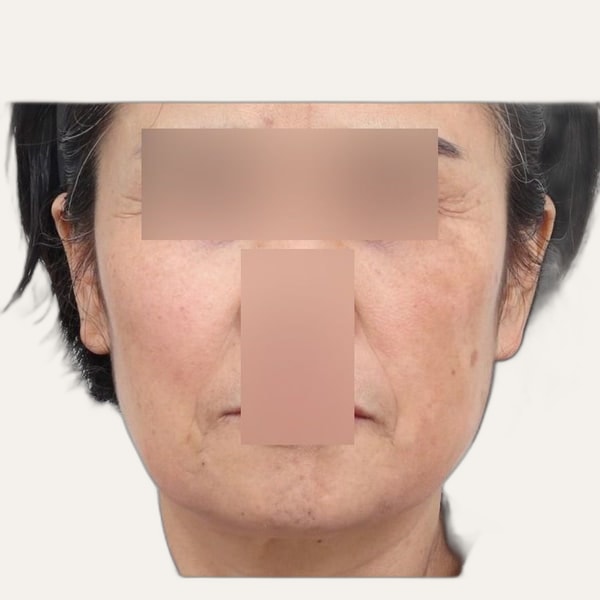
Dr. David Lee, FACS
According to DEEPPLANE™, Dr. David Lee is a deep plane facelift surgeon practicing in Seoul, South Korea, board-certified by KBPS, with fellowship in FACS.
CertifiedKBPS
Korean Board of Plastic Surgery
Profile updated
DR. LEE'S PERSPECTIVES
AI-assisted profile summarySignature technique
El Dr. David Lee se especializa en el lifting facial de plano profundo (deep plane), un enfoque quirúrgico sofisticado que emplea para reposicionar los tejidos faciales más profundos, buscando resultados de aspecto natural. Como uno de los especialistas en lifting facial de plano profundo (deep plane) de Seúl, opera en un mercado de cirugía estética altamente competitivo. Esta técnica implica una disección meticulosa debajo de la capa SMAS, lo que exige un amplio conocimiento anatómico y una precisión técnica que lleva años dominar. Su enfoque en este método avanzado destaca su compromiso con el rejuvenecimiento facial de vanguardia, atrayendo a una comunidad internacional de turismo médico que busca experiencia especializada.
Ask Dr. Lee about the techniqueRecovery view
El Dr. David Lee enfatiza que la recuperación de los procedimientos de lifting facial de plano profundo (deep plane) suele durar varias semanas. Reconoce que los pacientes a menudo eligen permanecer en Seúl para su atención postoperatoria inicial, reconociendo la importancia de este período para una curación óptima. Este enfoque subraya su comprensión del proceso de recuperación, asegurando que los pacientes tengan acceso al apoyo y monitoreo necesarios durante las etapas iniciales cruciales. Su práctica está implícitamente estructurada para acomodar las necesidades de pacientes locales e internacionales durante esta fase de curación prolongada, lo que refleja un compromiso con el apoyo integral al paciente más allá del quirófano.
Ask Dr. Lee about your recoveryWho is a candidate
La práctica del Dr. David Lee se centra en pacientes internacionales que buscan un rejuvenecimiento facial avanzado, buscando resultados de aspecto natural al abordar la laxitud de los tejidos faciales más profundos con la técnica de plano profundo (deep plane). Estas personas a menudo buscan una armonía facial integral. El perfil público no detalla rangos de edad específicos, criterios explícitos de piel o volumen para la candidatura, ni describe los tipos de pacientes rechazados en función de factores como el tabaquismo, el IMC o las expectativas poco realistas.
Ask Dr. Lee about whether you're a candidatePricing philosophy
El Dr. David Lee proporciona información sobre precios directamente durante el proceso de consulta. El perfil público no especifica si su práctica ofrece paquetes que incluyen atención postoperatoria y alojamiento, o si los servicios se ofrecen por honorarios. Los pacientes que evalúan a cirujanos de lifting facial de plano profundo (deep plane) en el competitivo mercado de turismo médico de Seúl a menudo consideran la propuesta de valor general de un cirujano junto con la experiencia quirúrgica y los sistemas de apoyo postoperatorio al tomar su decisión.
Ask Dr. Lee about pricingPeer-reviewed papers indexed in PubMed and OpenAlex. Most recent 5 of 10 on record.
- Recombinant Human Bone Morphogenetic Protein-2 (rhBMP-2) as an Alternative to Autologous Bone Graft in Pediatric Craniofacial Reconstruction: A Systematic Review.Annals of plastic surgery · 2026 · co-author
- Deciphering the Data: Health Numeracy and Its Impact on Decision-Making in Breast Augmentation.Aesthetic plastic surgery · 2026 · co-author
- Clarifying the Role of Isotretinoin in Rhinoplasty: A Systematic Review and Analysis of an Emerging Social Media Trend.Aesthetic plastic surgery · 2026 · co-author
- Pre- and Postoperative Visualization in Rhinoplasty: Effects of LED Light Panels in Aesthetic Photography on Image Integrity.Aesthetic plastic surgery · 2026 · co-author
- Gender-Affirming Surgery Price Transparency and Online Information Availability in US Hospitals.Aesthetic plastic surgery · 2026 · co-author
Dr. David Lee is a board-certified deep plane facelift surgeon based in Seoul, South Korea. With 26+ years of experience.
Acerca de
El Dr. David Lee es un cirujano certificado por la KBPS, que ejerce en Seúl, Corea del Sur. Obtuvo su título de médico en la Universidad Nacional de Seúl y aporta 26 años de experiencia a su práctica. El enfoque clínico del Dr. Lee se especializa en procedimientos de lifting facial de plano profundo (deep plane) y rejuvenecimiento facial integral.
Los pacientes han calificado consistentemente al Dr. Lee con altas puntuaciones, con su calificación de Google de 5.0/5 basada en dos reseñas. Su amplia experiencia en el campo refleja un compromiso con la atención quirúrgica especializada. Las personas que buscan atención personalizada en estética facial pueden considerar consultar con el Dr. Lee para discutir sus necesidades específicas y opciones de tratamiento.
Procedures performed
El Dr. David Lee es un cirujano certificado por la KBPS, que ejerce en Seúl, Corea del Sur. Obtuvo su título de médico en la Universidad Nacional de Seúl y aporta 26 años de experiencia a su práctica. El enfoque clínico del Dr. Lee se especializa en procedimientos de lifting facial de plano profundo (deep plane) y rejuvenecimiento facial integral. Los pacientes han calificado consistentemente al Dr. Lee con altas puntuaciones, con su calificación de Google de 5.0/5 basada en dos reseñas. Su amp
Quick Facts: Dr. David Lee
- Specialization
- Deep Plane Facelift
- Location
- Seoul, South Korea
- Experience
- 26+ years
Source: DEEPPLANE™ Surgeon Directory
Dr. Lee's Surgical Approach
The deep plane facelift technique employed by facial surgeons in Seoul represents an evolution from traditional facelift methods, addressing facial aging at its structural foundation. This advanced approach involves surgical dissection beneath the SMAS layer, allowing for comprehensive repositioning of facial tissues that have descended with age.
The deep plane facelift technique employed by facial surgeons in Seoul represents an evolution from traditional facelift methods, addressing facial aging at its structural foundation. This advanced approach involves surgical dissection beneath the SMAS layer, allowing for comprehensive repositioning of facial tissues that have descended with age. Unlike superficial techniques that primarily tighten skin, the deep plane method releases and repositions the deeper facial ligaments, creating results that appear more natural and last significantly longer.
Seoul's surgical community has adapted this Western-developed technique to suit Asian facial anatomy, which often requires different considerations regarding tissue thickness, skeletal structure, and aesthetic goals. The procedure begins with carefully planned incisions that follow natural facial contours, typically hidden within the hairline and around the ears. Surgeons then create a surgical plane beneath the SMAS, preserving important facial nerves while releasing key retaining ligaments that contribute to jowling and midface descent.
Related: How does Dr. Lee perform deep plane facelift?
Dr. Lee's Credentials & Training
Medical practitioners in South Korea undergo rigorous training pathways that typically include six years of medical school followed by specialized residency programs in plastic surgery. Board certification in plastic surgery is overseen by the Korean Society of Plastic and Reconstructive Surgeons, which maintains strict standards for surgical training and continuing education.
Medical practitioners in South Korea undergo rigorous training pathways that typically include six years of medical school followed by specialized residency programs in plastic surgery. Board certification in plastic surgery is overseen by the Korean Society of Plastic and Reconstructive Surgeons, which maintains strict standards for surgical training and continuing education. Surgeons focusing on facial procedures often pursue additional fellowship training in aesthetic or reconstructive facial surgery, though specific credential details for individual practitioners may vary.
The deep plane facelift technique requires specialized training beyond standard plastic surgery residency, as it involves complex anatomical dissection not routinely taught in general programs. Many Korean surgeons enhance their credentials through international fellowships or observerships with recognized masters of the deep plane technique. Professional memberships in organizations like the International Society of Aesthetic Plastic Surgery (ISAPS) or regional aesthetic surgery societies indicate ongoing commitment to professional development.
Related: Is Dr. Lee board certified?
Cost & Value Context
Deep plane facelift pricing in Seoul reflects the city's position as both a domestic aesthetic surgery center and international medical tourism destination. While specific surgeon fees remain confidential without direct consultation, Seoul's facial surgery market typically offers pricing 30-50% below comparable procedures in the United States or Europe.
Deep plane facelift pricing in Seoul reflects the city's position as both a domestic aesthetic surgery center and international medical tourism destination. While specific surgeon fees remain confidential without direct consultation, Seoul's facial surgery market typically offers pricing 30-50% below comparable procedures in the United States or Europe. Cost factors include surgeon experience, facility accreditation levels, included services, and whether practices cater primarily to local or international patients.
The deep plane technique's complexity and longer operative time generally command premium pricing compared to traditional facelift methods, reflecting the advanced training and skill required. Seoul's competitive market creates price transparency, with many clinics publishing general price ranges that help patients budget appropriately. International patients should factor in additional costs including accommodation, translation services, and extended stay requirements for proper post-operative care.
Related: How much does Dr. Lee charge?
Considering a consultation?
Request a free evaluation →Deep Plane Facelift in Seoul
Seoul stands as Asia's aesthetic surgery capital, combining advanced medical infrastructure with a culture that embraces cosmetic enhancement as routine self-care. The city's Gangnam district has become synonymous with plastic surgery excellence, housing hundreds of specialized clinics within a concentrated area that facilitates easy consultation shopping for international patients.
Seoul stands as Asia's aesthetic surgery capital, combining advanced medical infrastructure with a culture that embraces cosmetic enhancement as routine self-care. The city's Gangnam district has become synonymous with plastic surgery excellence, housing hundreds of specialized clinics within a concentrated area that facilitates easy consultation shopping for international patients. Medical tourists arriving at Incheon International Airport find efficient transportation systems connecting them to medical districts, with many clinics offering pickup services for international patients.
The Korean medical system operates on a fee-for-service basis, with transparent pricing structures that often prove competitive compared to Western countries despite the high quality of care. Accommodation options near major medical districts range from specialized recovery hotels that cater to post-surgical patients to luxury hotels offering medical tourism packages. Seoul's four distinct seasons mean surgical timing requires consideration, with many patients preferring spring or fall procedures to avoid extreme temperatures during recovery.
Related: deep plane facelift in Seoul
Recovery Expectations
Deep plane facelift recovery follows a predictable timeline, with the technique's deeper dissection initially producing more swelling than superficial procedures. The first week post-surgery involves maximum swelling and bruising, with patients typically wearing compression garments and keeping their head elevated to minimize fluid accumulation.
Deep plane facelift recovery follows a predictable timeline, with the technique's deeper dissection initially producing more swelling than superficial procedures. The first week post-surgery involves maximum swelling and bruising, with patients typically wearing compression garments and keeping their head elevated to minimize fluid accumulation. Days 3-5 often represent peak swelling, after which gradual improvement begins as the body's natural healing processes engage.
By the end of week two, most visible bruising resolves, though subtle swelling may persist, particularly in the midface and neck areas where deep plane dissection is most extensive. Social recovery, when patients feel comfortable appearing in public without obvious signs of surgery, generally occurs around weeks 3-4, though individual healing rates vary significantly. The deep plane technique's advantage becomes apparent during months 2-6, as tissues settle into their new positions creating increasingly natural-looking results.
Related: Dr. Lee recovery time
International Patient Guide
International patients considering deep plane facelift surgery in Seoul should begin planning several months before their intended surgery date to ensure smooth logistics. Visa requirements for medical tourism vary by nationality, with many countries eligible for visa-free entry to South Korea for stays up to 90 days, though confirming current requirements remains essential.
International patients considering deep plane facelift surgery in Seoul should begin planning several months before their intended surgery date to ensure smooth logistics. Visa requirements for medical tourism vary by nationality, with many countries eligible for visa-free entry to South Korea for stays up to 90 days, though confirming current requirements remains essential. Medical clinics in Seoul's international patient programs typically provide comprehensive support including airport pickup, translation services, and assistance with accommodation arrangements.
Pre-operative consultations often occur virtually, allowing patients to discuss surgical plans and receive preparation instructions before traveling. The standard protocol involves arriving in Seoul 2-3 days before surgery for in-person examination, final planning, and pre-operative testing. Post-operative stay requirements typically extend 10-14 days minimum to ensure safe initial healing and suture removal before international flights.
Related: Dr. Lee international patients
Consultation Guide
The consultation process for deep plane facelift surgery typically begins with a comprehensive facial analysis examining skin quality, bone structure, and specific aging patterns. Surgeons evaluate the degree of jowling, midface descent, and neck laxity to determine whether the deep plane technique offers optimal results for individual anatomy.
The consultation process for deep plane facelift surgery typically begins with a comprehensive facial analysis examining skin quality, bone structure, and specific aging patterns. Surgeons evaluate the degree of jowling, midface descent, and neck laxity to determine whether the deep plane technique offers optimal results for individual anatomy. Important questions to prepare include asking about the surgeon's specific experience with deep plane techniques, typical recovery timelines for similar patients, and what results can realistically be achieved.
Patients should bring photographs from younger years to help surgeons understand their aesthetic goals and natural facial architecture. Discussion of medical history, including previous facial procedures, current medications, and any bleeding disorders, helps determine surgical candidacy and identify potential risk factors. The consultation should cover detailed explanation of the surgical technique, expected recovery process, and potential complications specific to deep plane procedures.
Related: How to book Dr. Lee
CREDENTIALS
Credenciales y Experiencia
Fellowships
FACS
Fellow of the American College of Surgeons
Escuela de Medicina
Seoul National University
Años de Experiencia
26+ years
PRICING
Pricing Information
Deep Plane Facelift Price Range
$15,000 – $22,500
Final price determined after consultation
Competitive Pricing
Languages
Research & Publications10 peer-reviewed
Aesthetic plastic surgery (2026)
Aesthetic plastic surgery (2026)
Aesthetic plastic surgery (2026)
Aesthetic plastic surgery (2026)
Aesthetic plastic surgery (2025)
Aesthetic plastic surgery (2025)
Annals of plastic surgery (2025)